Architectural applications are constantly evolving to meet the needs of our time and adapt to technological advancements. Every day, new technologies and sustainability-focused solutions are bringing significant changes to the design processes of architects. Here are five significant trends in modern architectural applications for the future:
1. Green Buildings and Sustainability
Green buildings have now become not only a trend but also a necessity. The use of sustainable materials, energy efficiency, and waste management have become fundamental elements of modern architectural projects. Green buildings are defined as environmentally friendly structures that prioritize human health. Solar panels, greywater recycling systems, green roofs, and other sustainability applications have become essential parts of modern building projects.
2. Smart Building Technologies
Smart building technologies are increasingly being adopted to enhance indoor comfort, increase energy efficiency, and reduce overall operating costs. Internet-connected devices and sensors are used to optimize a building's heating, cooling, lighting, and security systems. These technologies allow users to remotely monitor and control building systems while also collecting data on building performance.
3. Flexible and Convertible Spaces
Flexible and convertible spaces are becoming increasingly important to make the best use of existing building stock and adapt to changing needs. Modular design principles allow indoor spaces to be easily adapted for different purposes. For example, a building that is an office space can be converted into residential units when needed, or vice versa. This flexibility provides significant advantages to property owners and users in the long term.
4. Biophilia and Natural Elements
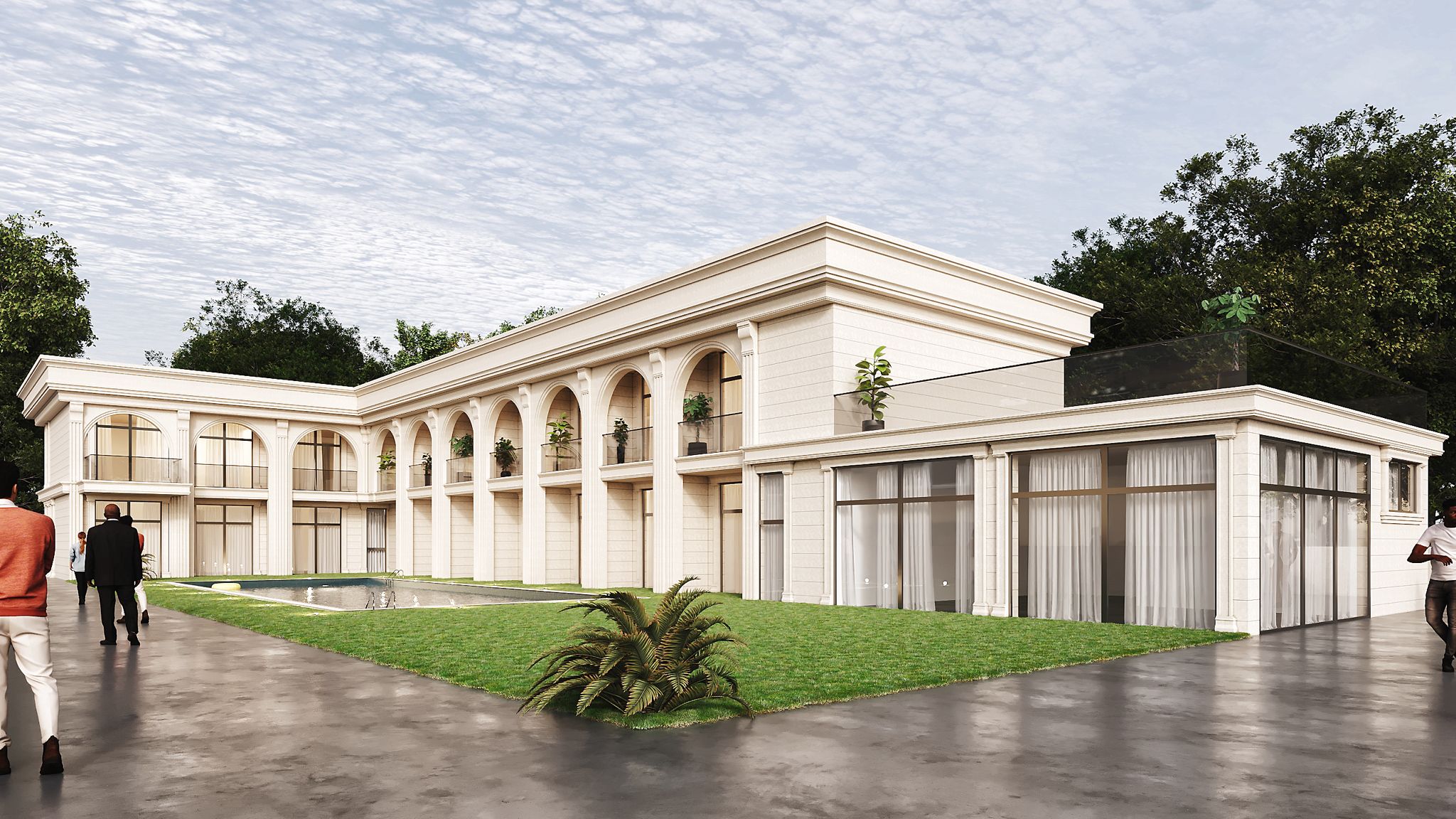
The concept of biophilia is increasingly being recognized as a way to strengthen the connection between humans and the natural world, enhancing happiness and productivity. In architectural applications, biophilic design involves the use of natural elements such as natural light, vegetation, natural materials, and landscape. Natural elements add vitality to indoor spaces, reducing stress levels and improving overall quality of life.
5. Prefabrication and 3D Printing
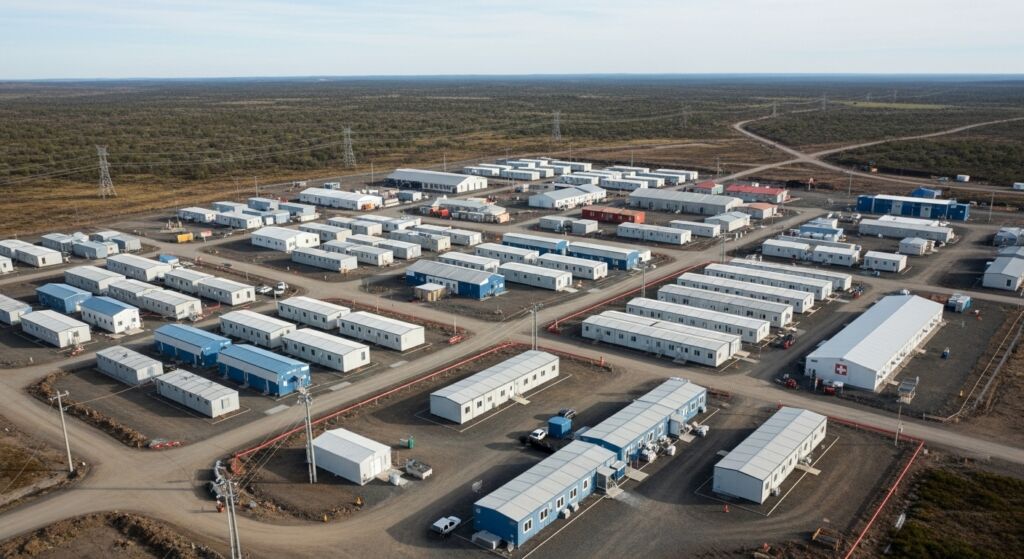
Prefabrication is becoming more popular in speeding up construction processes and reducing costs. Modular buildings are manufactured in factories and then transported to the assembly site. 3D printing enables the production of complex and unique structures, using less material compared to traditional construction methods. Both prefabrication and 3D printing increase efficiency in the construction industry while expanding design freedom.
These five trends in architectural applications offer a glimpse into how the structures of the future will be shaped. Sustainability, technology, flexibility, natural elements, and innovation have become the primary focus of modern architects. In the future, it is expected that these trends will become even more pronounced, and architectural applications will become more sustainable, smart, and human-centered.
Bu projeleri de görmek isteyebilirsiniz